
Public Adjusters for New Construction Claims in Arizona
Arizona builds fast. Master-planned communities edge into the desert, infill projects squeeze into older neighborhoods, and high-end custom homes rise on razorback ridges from Flagstaff to Tucson. When something goes wrong in the middle of that momentum, the stakes ripple quickly. A water intrusion during stucco cure, a roof uplift after a microburst, a fire in a just-trimmed townhouse, or a burst line during a pressure test can derail schedules, erode margins, and ignite finger-pointing between owners, GCs, subs, and carriers. That is the moment a public adjuster who understands new construction in Arizona earns their fee.
This is not a generic homeowner claim set in a finished house with a tidy inventory. New construction claims mix policy interpretation with construction sequencing, code compliance, stored materials, and the practical realities of jobsite risk. The carriers dispatch adjusters who know that terrain. Owners and contractors do themselves a favor when they bring similar competence to the table.
What makes a new construction claim different in Arizona
On a residential build in Scottsdale or a student-housing mid-rise in Tempe, a claim rarely touches only one bucket. Damage might straddle builder’s risk coverage, subcontractor liability, and the owner’s property policy if title and risk already shifted. Add Arizona’s climate and geology, and the failure modes look a little different than in wetter states.
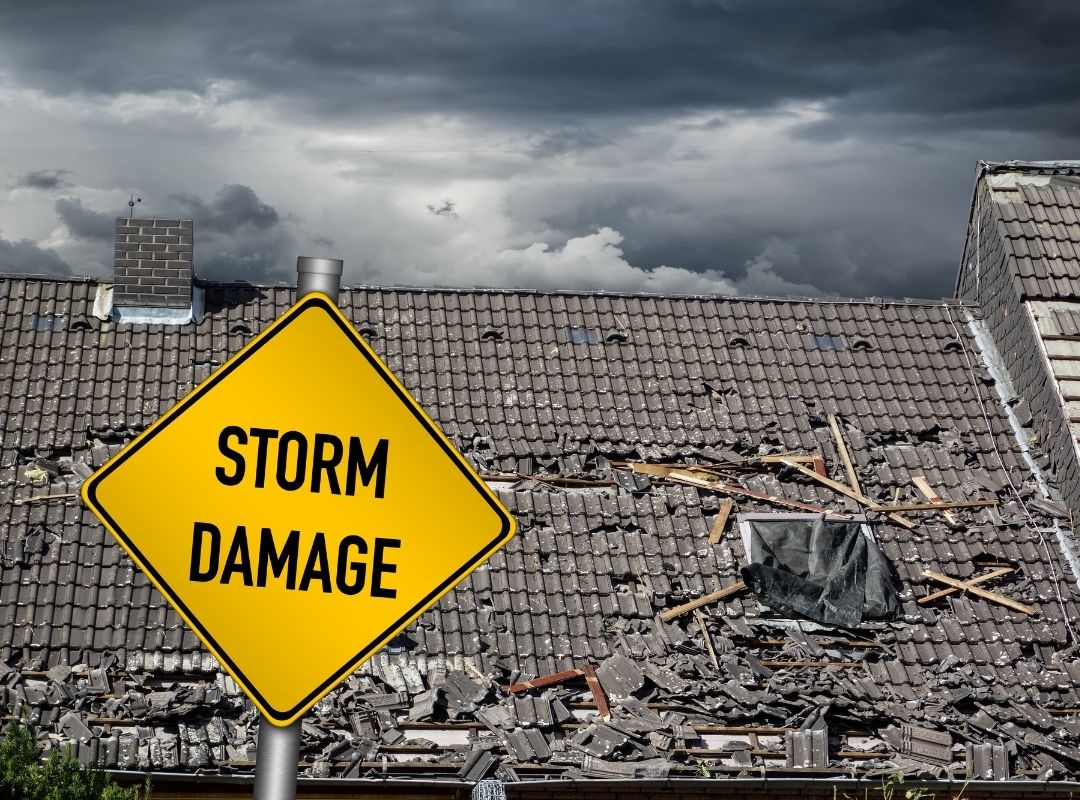
Monsoon season is the headline. Short, intense storms push wind-driven rain under underlayment, flood excavations, and topple scaffolding. In the cooler months, Phoenix can still swing from 40 degrees at dawn to 80 by afternoon, which affects concrete cure and adhesive performance. Northern Arizona adds freeze-thaw cycles and snow loads. Soil conditions vary across the state, so heave, subsidence, and swelling clays introduce structural claims that hinge on geotechnical reports as much as on policy language.
A public adjuster fluent in these patterns knows what to document before the work progresses and the scene changes. On an active site, the evidence gets buried fast, sometimes literally. Waiting even a day can mean tearing into newly placed finishes to find the origin of a leak, which turns a contained loss into a larger one.
Builder’s risk, OCIPs, and the policy maze
Most new construction claims start under a builder’s risk policy. These are inland marine forms with wide variation in endorsements. The core promise is to insure materials, supplies, and the partially completed work during construction, but the exclusions and sublimits matter more than the broad strokes.
Key pressure points show up again and again. Testing exclusions can bite after mechanical startups and hydrostatic tests. Rain infiltration exclusions may be tied to whether the structure was enclosed. Temporary works coverage might or might not extend to scaffolding, forms, or shoring. Delay and soft costs are often sublimited, and they only trigger when tied to covered physical damage, not when schedules slip for unrelated reasons. Theft exclusions can hinge on security protocols or whether materials were fenced, locked, or signed for at delivery.
Then there are wrap policies like OCIPs or CCIPs that pick up liability for enrolled contractors. If the alleged damage stems from a subcontractor’s defective work, a builder’s risk carrier may pay to repair the resulting damage but not the defective item itself, while the liability carrier for the subcontractor fights over the duty to defend. Understanding where to place a cost and which carrier to press is half of the job. A public adjuster who reads not only the builder’s risk form but also the wrap policy, the subcontract indemnity clauses, and the project schedule stands a better chance of recovering the full measure of the loss.
Timing and the transfer of risk
One of the knottiest questions in Arizona new construction is when risk passes to the owner. Contracts often push risk of loss to the owner at substantial completion or upon issuance of a certificate of occupancy. Some lenders have their own requirements for when the owner’s property policy incepts. If a loss occurs in that twilight period, carriers trade letters about who sits first chair. I have watched three carriers dance around a single water loss for ten weeks because one argued substantial completion had occurred based on a punch list email, not the certificate date.
Public adjusters who work these files build a timeline. They track when building systems were tested, when coverings went on, when inspections passed, and when the key handoff occurred. They gather the AIA forms, the pay apps, and the daily reports. With that, they can position the claim in the right policy period and fend off the easy denials.
Evidence on a living jobsite
An active site is noisy, dusty, and moving fast. Everyone has a job to do, and a claim can feel like an unwelcome slowdown. But a good evidence plan keeps the project moving without sacrificing proof. Photographs tied to dates and gridlines on plans, drone shots before and after storms, moisture meter readings logged by location, and saved samples of damaged materials give a carrier what it needs to pay. The adjuster who asks for these deliverables early, preferably before the first demolition, avoids later fights about scope creep.
I remember a frame-stage fire in Peoria started by a lithium battery left on charge. The GC’s instinct was to rip down every charred stick and keep framing. The public adjuster paused the work for half a day, brought in a fire investigator, and mapped heat patterns against framing plans. That allowed a targeted removal of compromised members, kept the trusses that passed load checks, and saved roughly 18 percent of the frame package while satisfying the insurer’s origin-and-cause concerns. It also knocked two weeks off the schedule impact that a full tear-back would have created.
Arizona codes, inspectors, and the standard of repair
Arizona’s municipalities adopt versions of the IBC and IRC, along with local amendments. Insurers sometimes push for “like kind and quality” repairs that do not account for code upgrades enforced during permits or reinspection. If a stucco system was installed to a prior standard, and the building official now requires a drainage plane detail or a different lath gauge on rework, that is not an upsell. It is required to close the permit. Whether code upgrades are covered depends on the policy. Some builder’s risk forms add a limited code upgrade endorsement with a defined sublimit. Others exclude it unless specifically added.
A public adjuster who knows local code practices, and who can bring in a building envelope consultant when necessary, helps the claim reflect the real cost to return the project to an approvable state. Without that, the GC ends up eating upgrade costs or arguing with city inspectors at the tail end of the job, which is no place to be.
Soft costs, delay, and the clock that does not stop
Delays are expensive, but only certain delay costs are insurable. Carriers tend to recognize extended general conditions like site security, rental equipment, or a superintendent’s time if tied to covered physical damage. Financing costs, marketing losses, and lost rent usually require specific endorsements and proof that the delay would not have occurred absent the loss.
A public adjuster adds value by modeling the critical path. Not a hand-waving chart, but a schedule analysis anchored in actual float and activity coding. If a water loss in one tower does not change the occupancy date because the pool deck was already lagging, the soft cost claim will stumble. If the deck work had float that the GC intentionally allocated to another area, and the water loss consumed that float, the narrative needs to explain it with logic, not emotion. The carrier will often bring a scheduling expert. Meeting them with a clean analysis prevents a knee-jerk cut.
Document control and chain of custody
Insurers pay https://maps.app.goo.gl/EcAWPtcb1faNMt258 what they can verify. New construction produces a mountain of data, and the fastest path to a fair settlement is good document control. Submittals, RFIs, approved change orders, test reports, daily logs, delivery tickets, heat logs for roof membranes, and even weather station data from the day of the storm become exhibits. So do procurement records, because cost escalation can be a hidden secondary impact. If a loss forces replacement of materials that now cost 15 to 30 percent more than when originally ordered, a thorough file needs proof of the first price, the cancellation terms, and the new price. This is common with mechanical equipment, tile from specific lots, or specialty glazing that cannot be patched.
A lesson that repeats: save the damaged items whenever feasible. Carriers prefer to see the broken valve, the charred panel, the blistered membrane. Tossing debris to keep a site clean makes sense for production but destroys leverage. A public adjuster builds a simple chain-of-custody routine, even if it is just labeled bins in a Conex and a spreadsheet that says who put what where and when.
Roles and boundaries among owner, GC, and adjuster
Arizona projects often ride on AIA contracts that define who controls what. Owners bring the public adjuster, but GCs and subs hold the site knowledge. The adjuster’s first practical move is to establish respectful, efficient communication. I have watched claims sour because an adjuster tried to direct a superintendent’s day or critique means and methods. The right rhythm is short coordination huddles, written requests for needed testing or photos, and deference to the GC’s safety and sequencing plan. When there is disagreement on scope, the adjuster and GC walk the work together, tag the items with plan references, and propose alternatives that hit both code compliance and cost realism.
Transparency helps. Share the claim strategy with the GC so they understand what the carrier will care about. Invite the carrier’s field adjuster to a pre-demolition walk. Use that meeting to agree on what can be removed now and what needs to stay for inspection. These small steps shave weeks off back-and-forth later.
Subcontractor involvement and the defective work trap
Builder’s risk pays for resulting damage, not for redoing bad work. In practice, separating the two can be complicated. If a plumber’s bad crimp causes a flood, replacing the crimp is excluded, but drying and replacing damaged drywall and flooring should be covered. If the drywall was installed before a building was “dried in” against a schedule with known gaps, the carrier will ask hard questions about contributory negligence. The adjuster who wants to keep the claim clean documents the as-built condition, the weatherproofing status, and the contract requirements in effect when the work was placed.
On large jobs, I have seen public adjusters coordinate with the wrap administrator to tender to a subcontractor’s liability carrier on a parallel track. Sometimes that carrier steps up, which protects the builder’s risk limits for future perils. Even when they push back, the tender preserves rights and sets the stage for subrogation. It is messy but worth the effort when seven-figure limits are in play.
Typical Arizona loss scenarios and what moves the needle
A few patterns recur every monsoon season and during startup windows. Progress builds on repetition, so crews tune for these.
Water intrusion during framing or pre-stucco. Wind-driven rain finds un-taped seams or paper laps that face the wrong way. Good adjusters ask for photos of water-resistive barrier installation, staple patterns, and corner treatments. If the carrier sees craftsmanship and compliance, they stop reaching for the defective work hammer and pay for drying and targeted replacement.
Roof membrane damage before cap sheet. Gust fronts push underlayments and peel edges. If heat logs show proper temperatures on prior installs and the damage followed a recorded wind event, coverage discussions focus on scope rather than fault. Under-document and you are explaining away speculation.
Mechanical startup losses. When chillers, boilers, or fire pumps see first power and pressure, small oversights become loud. Policies with testing exclusions can still cover resulting damage if the exclusion is written narrowly. Adjusters who know the difference recite the exact clause and argue from the language, not from memory.
Theft of stored materials. Copper wire and fixtures stored on site are candy for thieves. Some policies require fenced storage, lighting, or a third-party yard for high-value items. Public adjusters ask for proof of compliance before submitting a theft claim. Without that, denials come fast.
Soil movement claims. In pockets of the Valley with expansive clay, slab and stem wall issues appear after unusual moisture swings. These are complex. Builders’ geotech reports, moisture content logs, and post-tension records matter. The adjuster who reads those reports and brings a structural engineer who understands Arizona soil saves months of sterile debate.
Choosing a public adjuster who fits construction, not just claims
The credential on paper is less important than the adjuster’s comfort on a jobsite and grasp of sequencing. Ask how they handle destructive testing on a live project. Ask what they need from a superintendent to keep the schedule moving. Ask for examples where they argued code upgrades successfully in Phoenix or Chandler. The right adjuster talks about solving for the permit, not just the policy.
You also want someone who can read a schedule and has an attitude that fits Arizona’s construction culture. Crews appreciate straight talk, short meetings, and follow-through. The adjuster who drafts a crisp damage scope, stands there when the carrier challenges it, and then helps the GC translate approvals into change orders becomes an asset rather than a speed bump.
Costs, fees, and how to measure value
Public adjusters typically charge a percentage of recovered amounts. On new construction, where the gross claim can be large but margins are tight, owners worry about fee drag. A fair way to judge value is to compare the delta they deliver. If a carrier’s initial position is 600,000 and the adjuster lands 900,000 with clear documentation and faster release of undisputed funds, the improvement in cash flow and reduced delay often outweigh the fee. They earn it by pulling forward payment on undisputed work, carving out contested items for later negotiation, and sequencing the claim so the job is not idle while accountants argue over soft costs.
A trick that works: ask your adjuster to propose an early undisputed package in the first week. Get paid for emergency services, demo, temporary protection, and any independent testing you both agree on. That money keeps the site moving. Carriers respond well when they see organized, bite-size submissions rather than a single massive ask two months later.
Working with carriers rather than against them
Most carrier adjusters in Arizona have seen enough projects to recognize a well-run claim. If you bring them timely access, tight documentation, and a calm scope narrative, they return the favor with quicker reviews and fewer escalations. That does not mean rolling over. It means arguing on substance. If a carrier denies code upgrades based on a broad reading of an exclusion, respond with the exact text, the local amendment, and a letter from the building official stating the requirement. If they anchor a depreciation or betterment argument to a mistaken assumption about the stage of completion, show dated photos and pay apps to correct it.
The public adjuster sets the tone. They can either make the claim feel like trench warfare or like a complicated project that smart people are going to resolve. Arizona rewards the latter. There is enough work to go around, and you will see the same faces on future jobs.
A short checklist for the first 72 hours after a loss
- Stabilize, then document. Stop the bleeding with temporary protection, then capture photos, measurements, and conditions before broad demo.
- Lock the timeline. Save weather data, daily reports, delivery receipts, and crew notes that tie the loss to dates and activities.
- Preserve samples. Keep damaged parts in a labeled bin with a simple log. You will need them.
- Notify the right carriers. Builder’s risk first, then any wrap or liability carriers implicated by workmanship issues.
- Submit an early undisputed package. Get paid for mitigation and testing while bigger scope items are negotiated.
A field anecdote that shows the trade-offs
On a luxury home near Paradise Valley, a downburst hit during stucco cure. Water drove behind paper and into insulation on the west elevation. The builder wanted to strip the whole side and start over. The public adjuster, the carrier’s consultant, and the stucco subcontractor walked the wall with moisture meters and cut small inspection windows at every third stud bay. Readings spiked at corners and around two windows, with normal levels elsewhere.
The compromise was surgical. Remove a vertical band of stucco and paper at the corners, replace corner aid and lath, reopen and re-flash the two windows, and set up negative air to dry the interior bays. The city required a specific lath pattern on rework that differed from the original installation. The policy had a 50,000 code upgrade sublimit. The adjuster allocated the upgrade cost to that sublimit, preserved the main limits for the rest, and negotiated a credit for the undisturbed bays based on meter readings and infrared imagery. The owner got a faster finish and avoided a color-matching nightmare, the GC protected schedule, and the carrier paid a claim that was grounded in facts rather than fear.
That is not always possible. Sometimes demolition reveals a mess that demands full replacement. The point is to make that decision with data, not habit.
When to call a public adjuster
If the event threatens schedule by more than a week, touches building envelope or life safety systems, or triggers debates about code upgrades or soft costs, call early. An hour spent before demo starts is worth ten hours later. Smaller incidents, like a localized leak that affects one room and a few linear feet of base, can often be handled directly by the GC with a clean site log and a simple claim package. There is no virtue in oversizing the response.
What you are looking for is leverage through clarity. A capable public adjuster adds clarity by aligning the facts, the policy, and the construction realities in Arizona. They keep the story straight when the project keeps moving. They understand that a superintendent’s day is measured in inspections passed and crews kept productive, not in emails sent. And they know that, in this state, the weather will test your plan again, usually sooner than you expect.
The bottom line for Arizona builders and owners
New construction claims are marathons on sprint schedules. The desert climate, municipal codes, and rapid growth combine to make losses both likely and complicated. Bringing in a public adjuster who knows builder’s risk forms, can read a critical path, and respects jobsite tempo makes a measurable difference. You are not trying to outwit the insurer. You are trying to prove the loss in a way that the insurer can defend paying. When that happens, the money moves, the work resumes, and Select Adjusters LLC Public Adjuster in Arizona the project finishes closer to the original vision, even if the path ran through a storm.
Select Adjusters LLC
2152 S Vineyard #136, Mesa, AZ 85210
+1 (888) 275-3752
info@selectadjusters.com
Website: https://www.selectadjusters.com